Understanding the Range of Electrical Service Offerings for Residential and Commercial Spaces
The landscape of electrical services is diverse, catering to both residential and commercial needs. Each sector presents unique challenges and requirements. Residential services often focus on installations and repairs, while commercial solutions involve more complex systems. Understanding these distinctions is crucial for ensuring safety and efficiency. However, the implications of choosing the right service extend beyond immediate needs. What factors should one consider when evaluating these offerings?
Residential Electrical Services
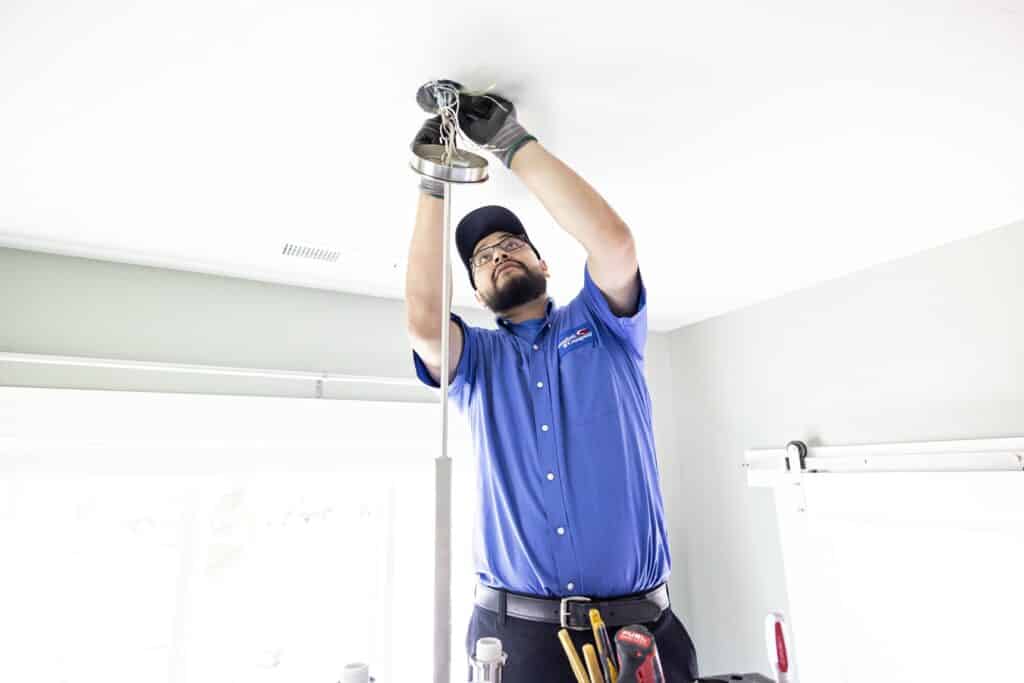
Residential electrical services encompass a broad range of solutions designed to meet the needs of homeowners. These services include installations, repairs, and maintenance of electrical systems within residential properties. Common tasks performed by electricians involve wiring upgrades, circuit installations, and lighting enhancements, guaranteeing safety and efficiency in homes.
Additionally, electricians are often called upon to troubleshoot and repair electrical issues such as faulty outlets, flickering lights, and circuit breaker problems. They also provide essential services like the installation of ceiling fans, smoke detectors, and home security systems.
Energy efficiency is another focus of residential electrical services, with professionals offering solutions like LED lighting and smart home technology integration. Homeowners can benefit from routine electrical inspections, which help identify potential hazards and guarantee compliance with local codes. Overall, residential electrical services play a significant role in maintaining safe, functional, and modern living environments.
Commercial Electrical Services
When businesses require electrical solutions, they turn to commercial electrical services, which are tailored specifically to meet the demands of commercial properties. These services encompass a wide array of offerings such as electrical system installations, upgrades, and configurations designed for efficiency and compliance with safety regulations.
Commercial electrical services also include specialized lighting solutions that enhance visibility and energy efficiency, as well as the installation of power distribution systems to support various equipment and machinery. Moreover, these services often involve the incorporation of sophisticated systems, like smart systems and energy management, to maximize energy efficiency.
Aside from setting up new systems, they provide assurance that systems are capable of handling future growth or changes, offering sustained utility. Professional electricians in this field are trained to manage the intricacy of larger electrical systems, maintaining dependability and safety for business operations.
Routine Maintenance and Repairs
Scheduled maintenance and necessary repairs are crucial elements of service provision that help secure the durability and dependability of power infrastructure in business environments. Regular inspections help identify possible faults before they worsen into costly problems. Technicians often check cables, breakers, and receptacles for signs of wear or damage, ensuring safety and compliance with regulations
Routine servicing also helps improve energy efficiency, lowering the overall cost of operation for firms. This proactive approach minimizes downtime, allowing companies to maintain productivity while making sure the electrical infrastructure works properly
Furthermore, quick remediation is necessary to reduce dangers linked to power malfunctions, like equipment breakdown or fire risks. By addressing issues promptly, companies prevent major interruptions and ensure a protected workplace (Downers Grove Electrician). Overall, funding scheduled servicing and necessary remediation not only preserves the integrity of electrical systems but also enhances the total effectiveness of operations of commercial properties
Electrical Installations
Power system setups serve as the foundation of any commercial facility, providing essential power and connectivity for operations. This infrastructure covers many parts, like outlets, lighting systems, circuit breakers, and cabling, all designed to meet the specific needs of the business. The procedure starts with meticulous design and layout, to make sure it meets all local laws and regulations. Expert technicians carry out the setup to guarantee safety and reliability, reducing the potential for electrical dangers.
In addition to standard wiring, companies might need specialized infrastructure like three-phase supply for large equipment and specialized wiring for communication systems. Proper electrical installations not only enhance operational efficiency but also contribute to the overall safety of the premises. Routine inspections and adherence to maintenance protocols are critical to guarantee that the systems stay operational and compliant. In the end, proper power setups are essential for meeting the varied demands of commercial enterprises.
Upgrading for Energy Efficiency
Energy efficiency upgrades provide substantial benefits, such as lower utility bills and a reduced environmental impact. Typical choices for these improvements encompass LED lighting, efficient climate control mechanisms, and modern thermal barrier methods. By exploring these enhancements, those who own the property can gain both monetary benefits and ecological advantages.
The Upside of Energy Savings
Numerous advantages accompany putting in efficiency enhancements, making them a prudent choice for both residential and commercial properties. Initially, these upgrades greatly reduce power usage, resulting in decreased power costs and more money saved long-term. In addition, better efficiency increases comfort levels through ensuring steady climate control and reducing drafts. Buildings featuring efficient systems often experience an increase in market value, appealing to environmentally conscious buyers. Moreover, numerous areas provide rebates, subsidies, or fiscal benefits for installing green technology, helping to reduce the upfront expense. Finally, using efficient techniques reduces the amount of carbon pollution, fostering long-term viability and benefiting the environment. Overall, efficiency improvements provide both financial and environmental gains, making them a prudent choice for property owners.
Available Enhancement Options
When evaluating energy-saving options, building owners can choose from many choices that can greatly enhance performance and reduce costs. A frequent improvement is implementing power-saving illumination, like light-emitting diode units, that require minimal energy and have a longer lifespan. Alternatively, enhancing insulation in the building's shell, which reduces thermal leakage and lowers climate control costs. Intelligent temperature controls are also able to offer considerable cost reductions through fine-tuning the heating and cooling based on occupancy patterns. In addition, advanced climate control units better the breathing environment and reduce power usage. Solar power systems demand a greater outlay, enabling buildings to capture sustainable power. Through the installation of these improvements, property owners can secure major long-term savings and contribute to environmental sustainability.
Immediate Electrical Assistance
What steps should property owners follow in the event of an urgent electrical situation? Initially, they should guarantee their safety by shutting down the main power supply if the situation allows. Afterward, they should evacuate the premises and alert the authorities if there is a fire, smoke, or a clear and present hazard. When the danger is manageable, contacting a licensed electrician who offers rapid response electrical support is important. These professionals are prepared to handle issues such as power outages, electrical surges, or faulty equipment promptly.
Immediate electrical assistance are designed to provide quick help, often available 24/7, making sure that homeowners can restore security and operation in their electrical systems quickly. It is vital for homeowners to establish a relationship with a reliable electrical contractor beforehand, as this can hasten the reaction during an emergency. Having readiness and awareness of local support can mitigate risks and improve security during electrical crises.
FAQs
What Requirements Should I Prioritize in an Electrician?
When seeking an electrician, one should prioritize qualifications such as a valid license, relevant certifications, deep expertise, insurance coverage, and favorable testimonials. These factors guarantee professionalism, safety, and reliability in all wiring projects.
How Frequently Must I Book Electrical Inspections for My Property?
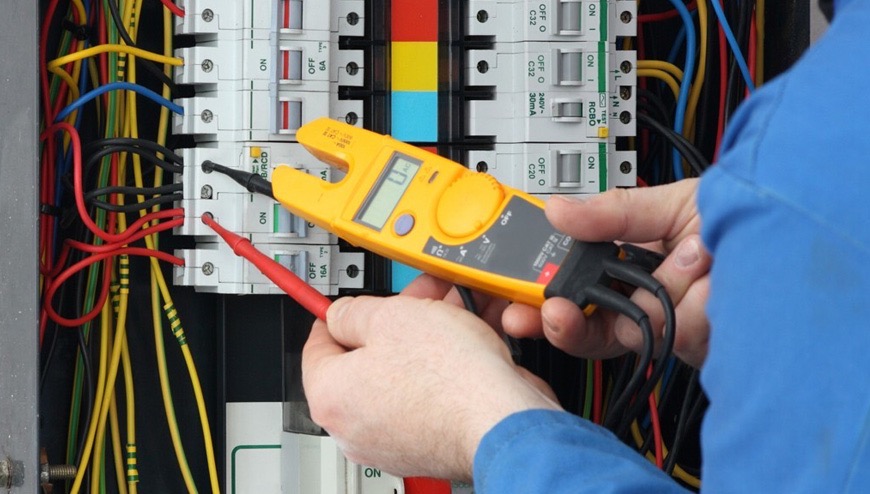
Inspections of the electrical system are recommended every three to five years for residential properties, while commercial spaces may require annual assessments. This guarantees compliance with safety standards, identification of possible dangers, and maintenance of electrical systems.
What Signals Faulty Electrical Wiring?
Symptoms of bad electrical systems include circuit breakers tripping often, flickering lights, strange smells, frayed wires, and burnt-looking sockets. These indicators often signal possible dangers, demanding a quick review by a qualified electrician for safety.
Is performing electrical work yourself safe and legal?
DIY electrical repairs pose significant dangers and may violate local regulations - Downers Grove Electrician. If you don't have adequate training, people face the danger of harm and potential legal consequences. It is usually wise to consult a qualified professional for electrical issues to ensure security and adherence to codes
What Steps Can I Take to Reduce My Utility Bill Dramatically?

To successfully lower power costs, consider adopting energy-efficient appliances, make use of intelligent temperature regulators, seal make a move drafts, replace old bulbs with LEDs, and practice mindful usage habits, which results in minimized consumption and a smaller final bill.